Understanding Regional Festivals and Their Significance
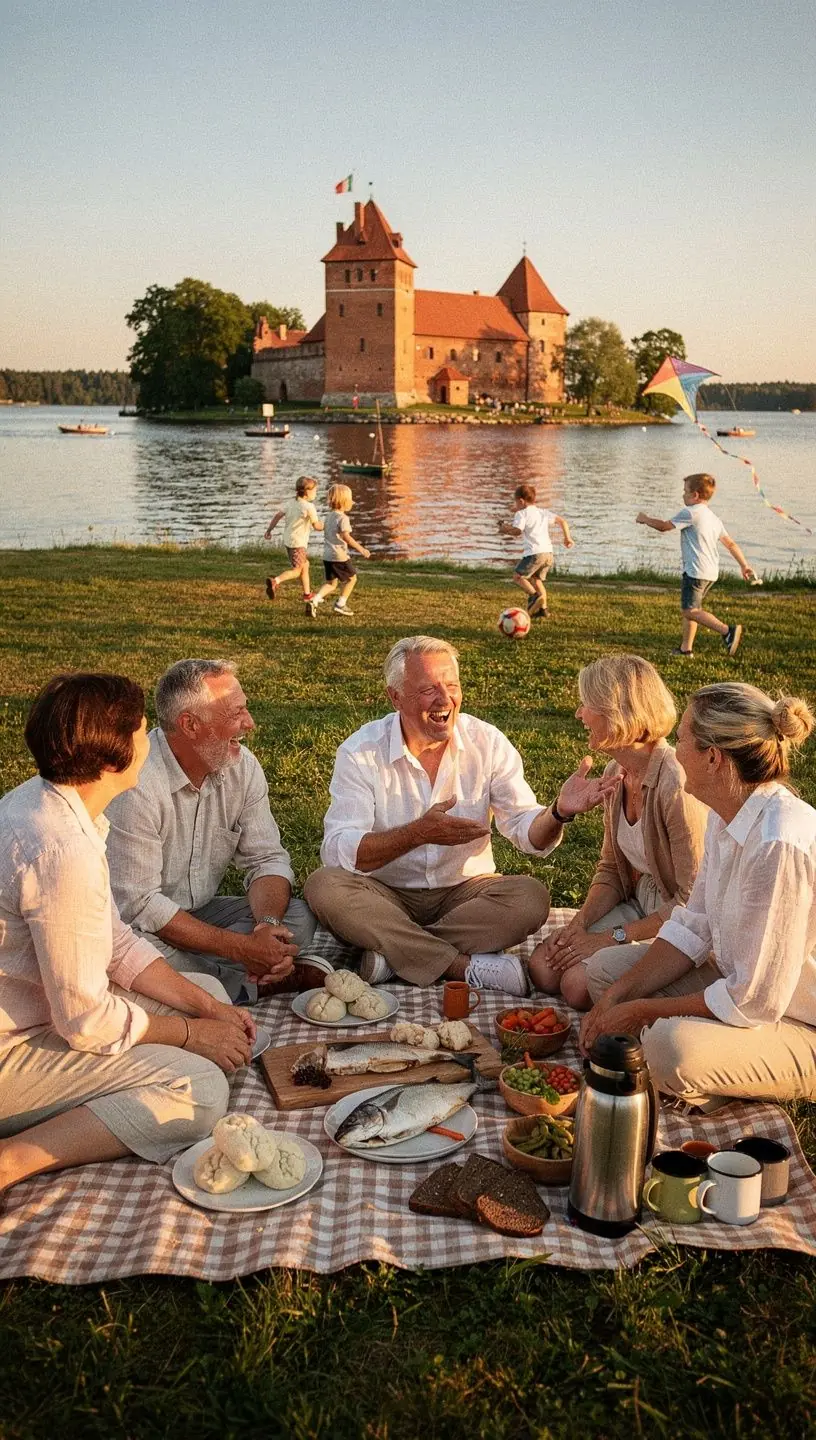
Regional festivals are vibrant celebrations that reflect the cultural heritage and traditions of a community. These events not only offer entertainment but also serve as a vital link to history, fostering community spirit and heritage appreciation among participants and visitors alike.
The Cultural Importance of Festivals
According to cultural studies, regional festivals often play a significant role in preserving local traditions and customs. They typically showcase art, music, food, and dance that are unique to the region. This is important because it helps to maintain cultural identity in an increasingly globalized world. Experts recommend that communities engage actively in such celebrations to ensure that these traditions are passed down through generations.
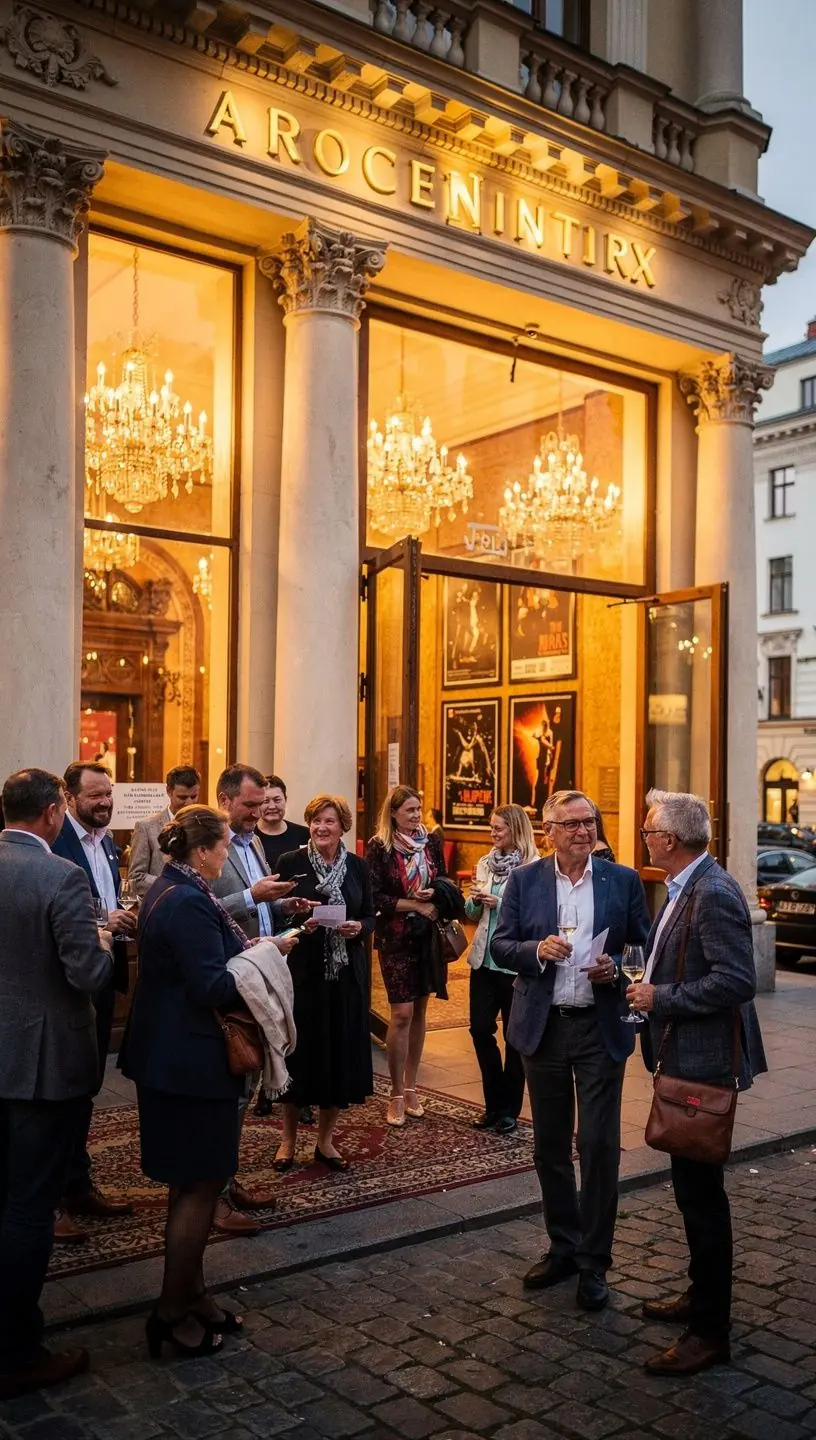
"Regional festivals are a way to connect with our cultural roots and share that heritage with others." - Cultural Anthropologist
How Festivals Foster Community Engagement
Festivals often bring people together, creating a sense of belonging and community. In many cases, local gatherings can lead to improved social relationships among residents. Research shows that participation in community events can boost social cohesion and promote inclusivity, as they encourage people from different backgrounds to interact and collaborate.
Benefits of Attending Regional Festivals
- Social Interaction: Engaging with others can enhance relationships and create lasting connections.
- Promotion of Local Economy: Festivals can stimulate local businesses, as they often attract tourists who spend money on food, crafts, and accommodations.
- Learning Opportunities: Participants often gain insights into local history and traditions, providing educational experiences that enhance cultural knowledge.
The Role of Festivals in Economic Development
Many studies indicate that regional festivals can significantly contribute to local economies. They often lead to increased tourism, which can benefit hotels, restaurants, and other local businesses. This economic boost can be particularly impactful for small communities that rely on seasonal tourism. However, it's essential to acknowledge that organizing a festival requires substantial planning and resources, typically including a commitment of time and collaboration among community members.
Challenges in Organizing Festivals
While festivals can be beneficial, they also come with challenges. Organizers must consider logistical aspects like funding, staffing, and permits, which can be complex. According to event planning professionals, successful festival organization involves thorough preparation and a clear understanding of community needs and expectations.
Conclusion
Regional festivals hold great significance in celebrating and preserving cultural heritage, promoting community engagement, and boosting local economies. Participation in these events can lead to enriching experiences that foster a deeper understanding of regional identity. However, organizing such events requires dedication and a collaborative spirit. By embracing and supporting these festivals, communities can ensure their traditions endure and thrive for future generations.