How to Cultivate a Local Hobby Network
Building a local hobby network can enhance your social life and provide opportunities for personal growth. This article explores effective strategies to create a vibrant community while acknowledging the time and effort involved.
Understanding the Importance of Hobby Networks
Participating in a hobby network can significantly improve your well-being. According to research, engaging in social activities related to hobbies can lead to a 20-30% increase in overall happiness. This is often due to the connections formed and the shared experiences that promote a sense of belonging.

"Social interaction and shared interests can significantly boost mental health and emotional resilience." - Psychology Today
Key Steps to Cultivating Your Local Hobby Network
To effectively establish a hobby network in your community, consider the following strategies:
- Identify Shared Interests: Begin by determining what hobbies are prevalent in your area. This can involve informal surveys among friends or checking local community boards. Many users report that focusing on popular activities increases engagement.
- Utilize Social Media and Online Platforms: According to studies, platforms like Facebook or Meetup can be effective for organizing local events. Create a dedicated group where members can post, share, and coordinate activities. This often helps in maintaining consistent communication.
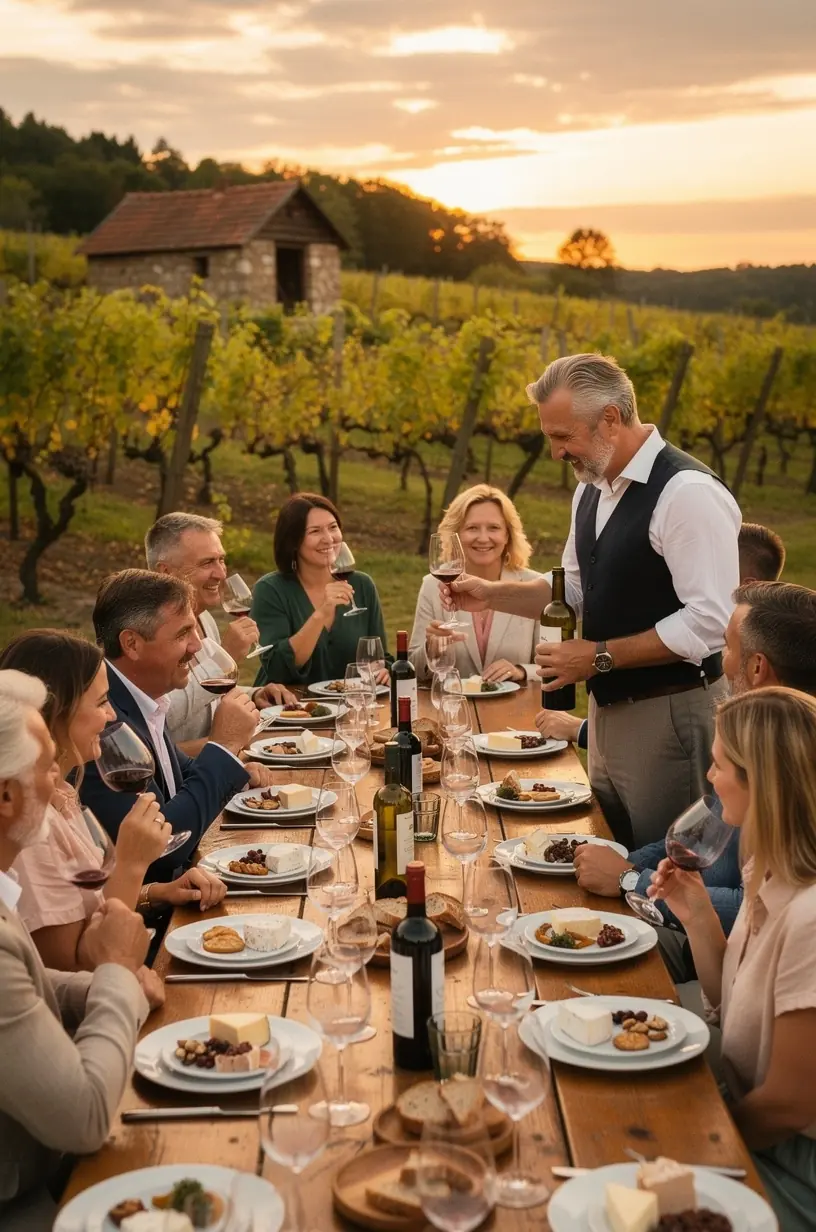
- Host Initial Meetups: To kickstart your network, organizing an informal gathering can be beneficial. Research indicates that casual settings often lead to higher participation rates. Aim for a relaxed environment where attendees can connect over their shared interests.
Building and Maintaining Engagement
Once your network is established, sustaining engagement is essential for long-term success. Consider the following practices:
- Regular Events: Experts suggest that regular gatherings help maintain momentum. Scheduling monthly or bi-monthly events can keep members engaged while providing consistent opportunities for interaction.
- Feedback and Suggestions: Actively solicit feedback from your members regarding event formats or new hobby ideas. This not only makes participants feel valued but can also lead to innovative activities that cater to the group's interests.
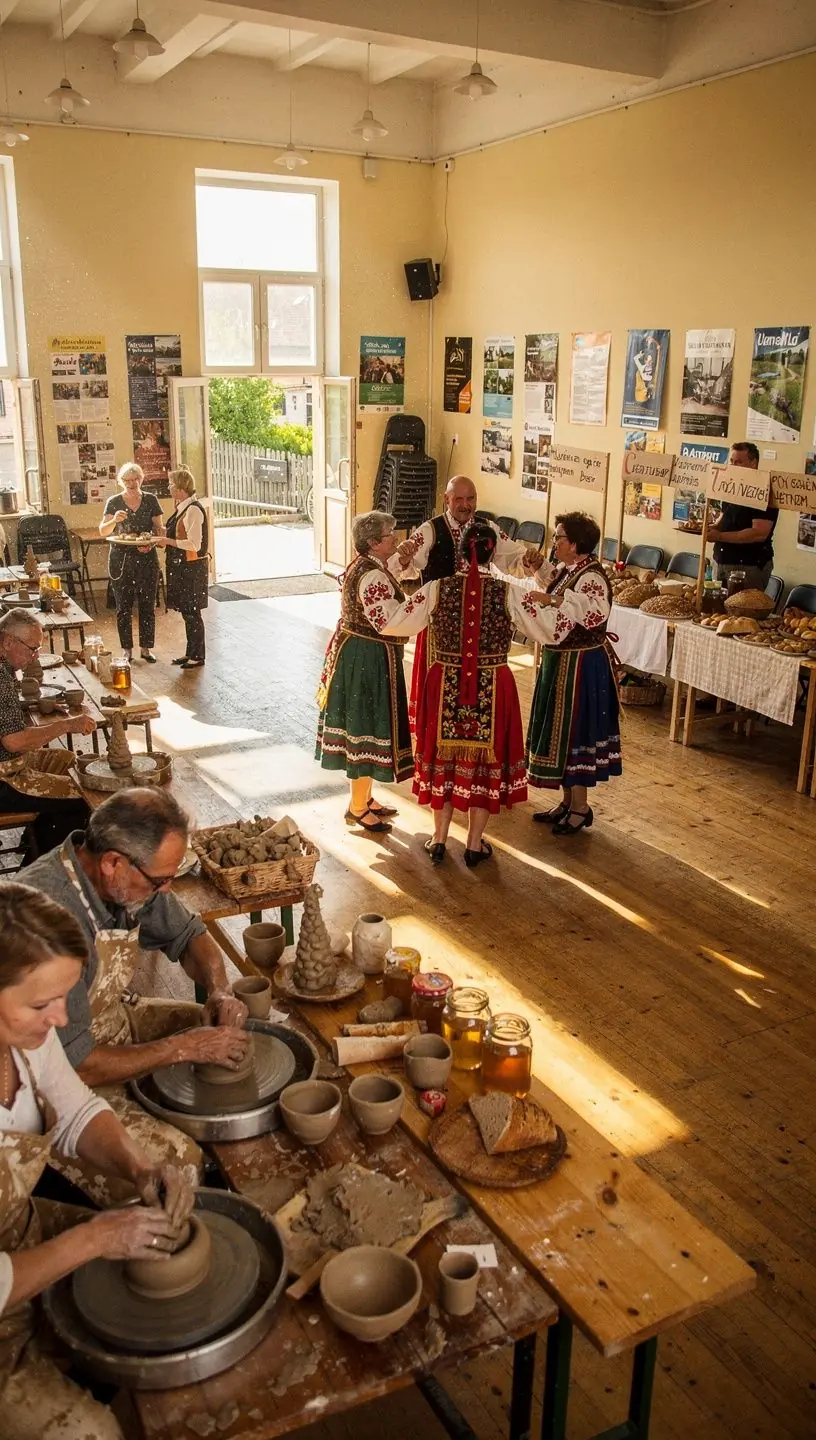
- Diversify Activities: Include a range of activities to attract a broader audience. For example, combining workshops, outdoor activities, and casual meetups can appeal to different preferences. This strategy works best when you consider the diverse interests of your members.
Acknowledge the Challenges
Building a local hobby network typically requires time and effort. It can take several weeks to establish a consistent group, and maintaining interest may involve continual outreach and organization. Some challenges you might face include:
- Inconsistent attendance at meetings, which may require adjustments to scheduling.
- Potential conflicts in interests, which can necessitate compromises in activity planning.
- The learning curve for new members, who may take time to feel comfortable participating.
Conclusion
In conclusion, cultivating a local hobby network can be a rewarding endeavor that enhances social connections and personal development. While it requires commitment and adaptation, the potential benefits are substantial. By following these strategies and remaining flexible, you can build a thriving community that enriches the lives of its members.
Learn More